
Getting Healthy SHOULDN'T be expensive
3 x 1 on 1 Personal Training session
FREE Proven Weight loss Meal Plan | Accountability and Support
Normally $150.00 - NOW $75.00
T&C APPLY
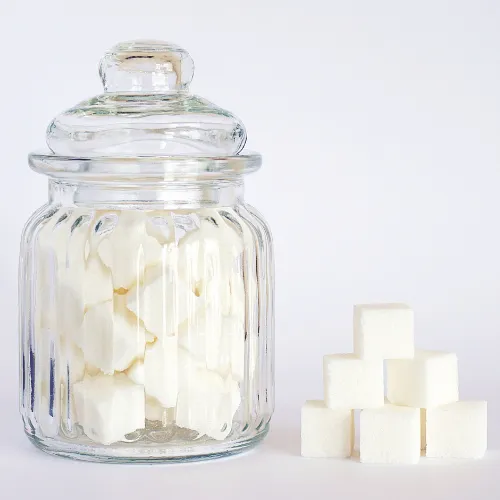
Sugar, Honey, Ice Tea
Sugar is sweet, but it can certainly make your health and fitness goals sour!!
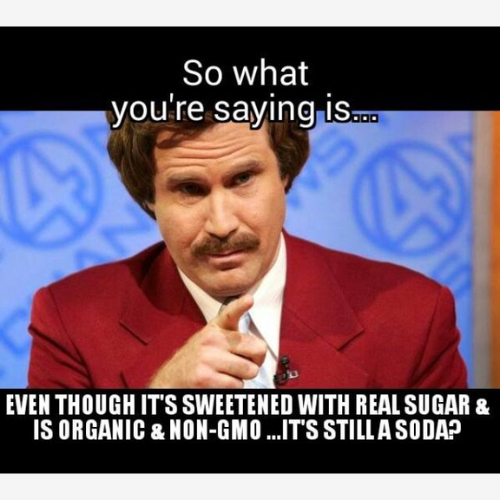
The sugar content of foods is a critical aspect of our diets that demands careful attention. While natural sugars, like those found in fruits and dairy, can be a part of a balanced diet, excessive consumption of added sugars poses significant health risks. It's essential to be vigilant about sugar substitutes and the various names under which they may hide on food labels, such as high fructose corn syrup, agave nectar, or maltose.
These hidden sugars can contribute to obesity, diabetes, and heart disease when consumed excessively. As consumers, it's crucial to read labels diligently and make informed choices to maintain our overall health and well-being.
THE MAIN FORMS OF SUGAR:
1# SUCROSE

Sucrose is common table sugar, composed of equal parts glucose and fructose. It's found in a wide range of foods, including candies, baked goods, sugary beverages, and processed snacks. Overconsumption of sucrose can lead to weight gain, dental cavities, and an increased risk of chronic conditions like type 2 diabetes and heart disease.
2# FRUCTOSE
Naturally occurring in fruits, fructose is also found in sweeteners like high-fructose corn syrup (HFCS) and agave nectar. HFCS is prevalent in soft drinks, fruit juices, and processed foods. Excessive fructose consumption, particularly from HFCS, has been linked to obesity, fatty liver disease, and insulin resistance.
3# LACTOSE
Lactose is the natural sugar in milk and dairy products. Some individuals may be lactose intolerant, leading to digestive discomfort when consuming these foods. Lactose intolerance can also result in nutrient deficiencies if dairy is avoided without suitable alternatives.
4# GLUCOSE
Glucose is a simple sugar present in many carbohydrate-rich foods like bread, pasta, and potatoes. It's also used in medical treatments for low blood sugar. Overconsumption of high-glycemic-index foods that rapidly raise blood glucose levels may lead to weight gain, insulin spikes, and increased diabetes risk.
AND IT'S ALTER EGOS:
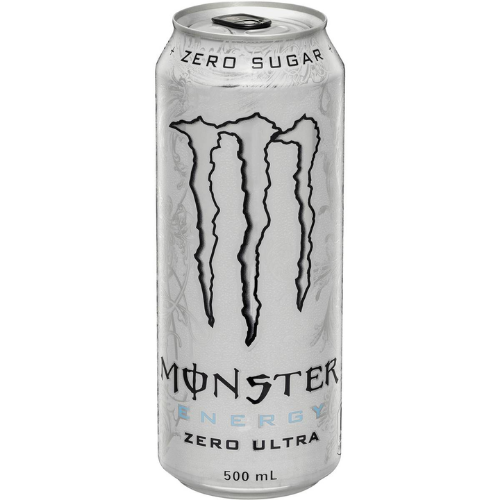
1# ASPARTAME
Found in sugar-free drinks, sugar-free gum, and sugar-free desserts. Overconsumption can lead to digestive issues in some individuals. Aspartame overconsumption has also been directly linked to cancer - the recommended MAX consumption is 40mg per kg of bodyweight.
Other names for aspartame: NutraSweet, Equal, AminoSweet, Phenylalanine-containing sweeteners, E-951.
2# STEVIA
Derived from the stevia plant, it's used in sugar-free or reduced-sugar products like soft drinks, desserts, and tea. It's generally considered safe, but some people may experience a bitter unpleasant aftertaste.
Other names for Stevia: Reb-A, Truvia, Steviol glycosides.
3# SUCRALOSE
Used in various sugar-free products, including diet sodas and sugar-free sweeteners. It's generally considered safe when consumed within the acceptable daily intake limits of 5mg per kg of bodyweight.
Other names for Sucralose: Splenda, E-955.
4# SACCHARIN
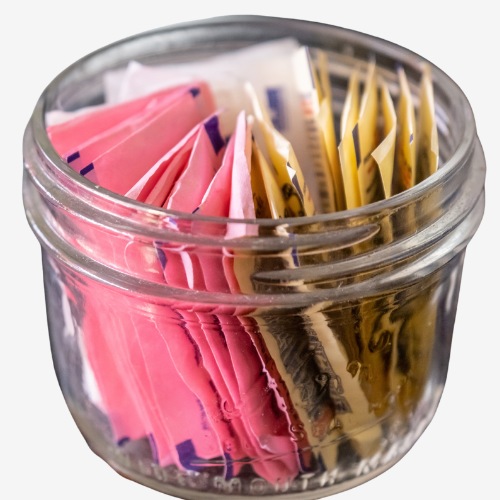
Found in some sugar-free products, including tabletop sweeteners. There have been concerns about its safety as it can be easily overconsumed - Saccharin has also been linked to carcinogenic effects on the body.
Other names for Saccharin: Sweet ‘n’ Low, Benzosulfimide, E-954.
For more information - Contact us!
Click HERE to speak to one of our coaches

Unit 8/1 Commence Place, Burpengary | 0400 072 132 | crossfit505burpengary@outlook.com

Book in for a chat, we have once off and package prices to help you reach your goals!!
8/1 Commerce Pl, Burpengary QLD 4505 | 0400 072 132
Copyright © 2026 Crossfit Synergy. All Rights Reserved
8/1 Commerce Pl, Burpengary QLD 4505 | 0400 072 132
Copyright © 2026 Crossfit Synergy. All Rights Reserved